Skip to content


One of the most common questions beginners ask is, “What length should my poi be?”
The short answer is simple: for almost everyone, standard poi length is the right choice.
As you gain experience, you might eventually decide to experiment with shorter or longer poi for specific styles of flow. Even then, many advanced spinners continue using standard length because it’s simply the most versatile.
Let’s talk about why.
Standard Poi Length (Recommended)
Standard poi length isn’t one specific number. Instead, it’s based on your arm length.
Our recommendation is simple:
Measure from the center of your palm to the inside of your shoulder crease (or armpit).
That measurement gives you a poi length that works well for the overwhelming majority of tricks while helping keep the poi from hitting the ground when your arms are relaxed at your sides.
If you’re buying your first pair of poi, this is the length we recommend.
One of the biggest advantages of standard length is its versatility. If you ever need shorter poi for moves like buzzsaws, corkscrews, or inversions, you can simply wrap the tether around your fingers or hand. In other words, standard length can temporarily become short poi whenever you need it.
For most people, there simply isn’t much reason to start anywhere else.
Short Poi
Short poi were much more common years ago than they are today.
They still have their place, but they’re generally used for very specific styles rather than everyday spinning.
Advantages
- Faster rotations
- Lighter overall feel
- Easier to keep movements compact
- Less likely to strike your face
Tradeoffs
- Contact moves become much more difficult
- Isolations and stalls are less forgiving
- Faster rotations can make learning harder
- Less versatile overall
Because standard poi can easily be shortened by wrapping the tether, most people don’t permanently shorten their poi anymore.
Long Poi
Long poi are another niche option.
Some experienced artists prefer them for:
- Contact poi
- Large theatrical movements
- Huge fire heads
- Certain juggling styles
Long poi naturally slow rotations down, creating a floatier style with more time between transitions.
The downside is that they’re easier to drag on the ground and require more awareness during movement.
If your style includes deep lunges or aggressive direction changes, long poi will hit the floor much more frequently unless they’re sized very carefully.
Personally, the only time I use long poi is with my largest fire heads. The slower movement and additional distance from the flame work well for performance, even though I give up access to some tricks I’d normally do with standard length.
Adjustability
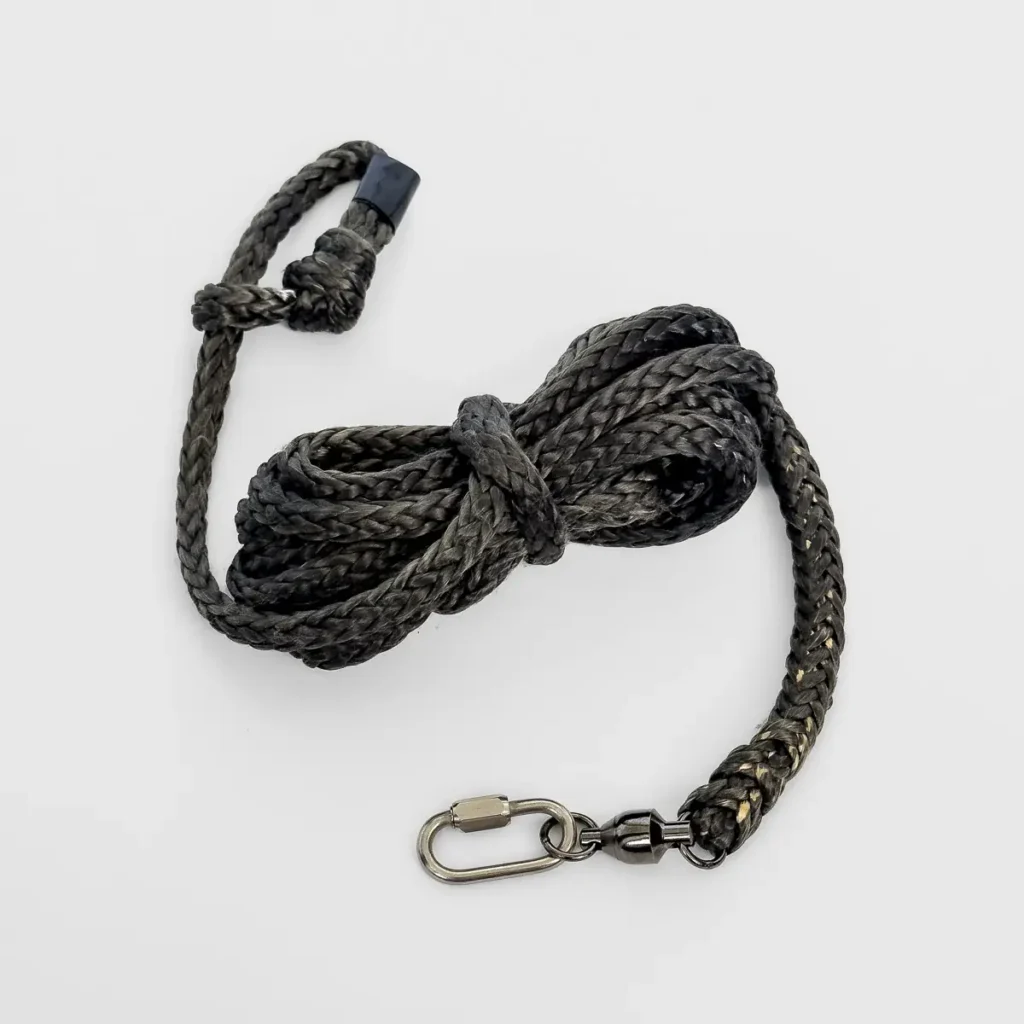
One thing worth keeping in mind is that many relaxed tether poi are intentionally shipped a little long. You can usually shorten them by simply retying the knot until you find the length you like.
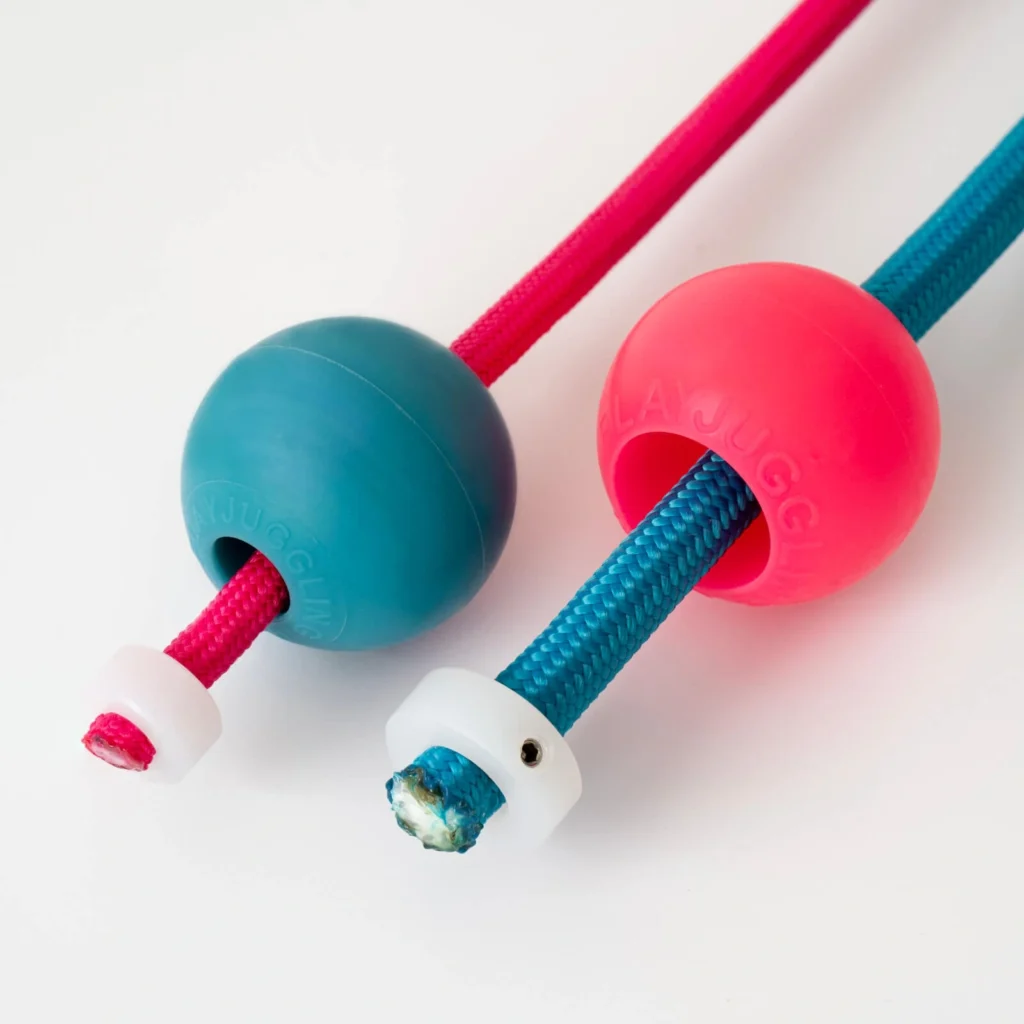
Thicker static or hybrid tethers are often less adjustable, depending on how the manufacturer attaches the knobs. In many cases, once these are cut shorter, they can’t be made longer again.
Conclusion
For almost everyone, we recommend standard poi length.
It’s the most versatile, the easiest to learn on, and the length that most experienced poi artists continue using throughout their flow journey.
Short and long poi certainly have their place, but they’re specialized tools rather than the default.
Here’s the quick recap:
Standard Length
- Best for almost everyone
- Most versatile
- Can be temporarily shortened by wrapping the tether
Short Poi
- Faster and more compact
- Great for specific styles
- Less versatile
Long Poi
- Slower and floatier
- Popular for contact poi and large fire heads
- More likely to hit the ground
Always start with standard length. As your style develops, you’ll naturally discover whether you have a reason to experiment with something shorter or longer.