Skip to content


One of the most common questions we get is how to properly use the Threeworlds Fusion pressure-fit connectors. Once you understand how they work, they’re one of the fastest and most reliable collapsible systems available for contact and dragon staffs.
This guide will walk you through the assembly process, help you avoid the most common mistakes, and explain how to keep your connectors working smoothly for years.
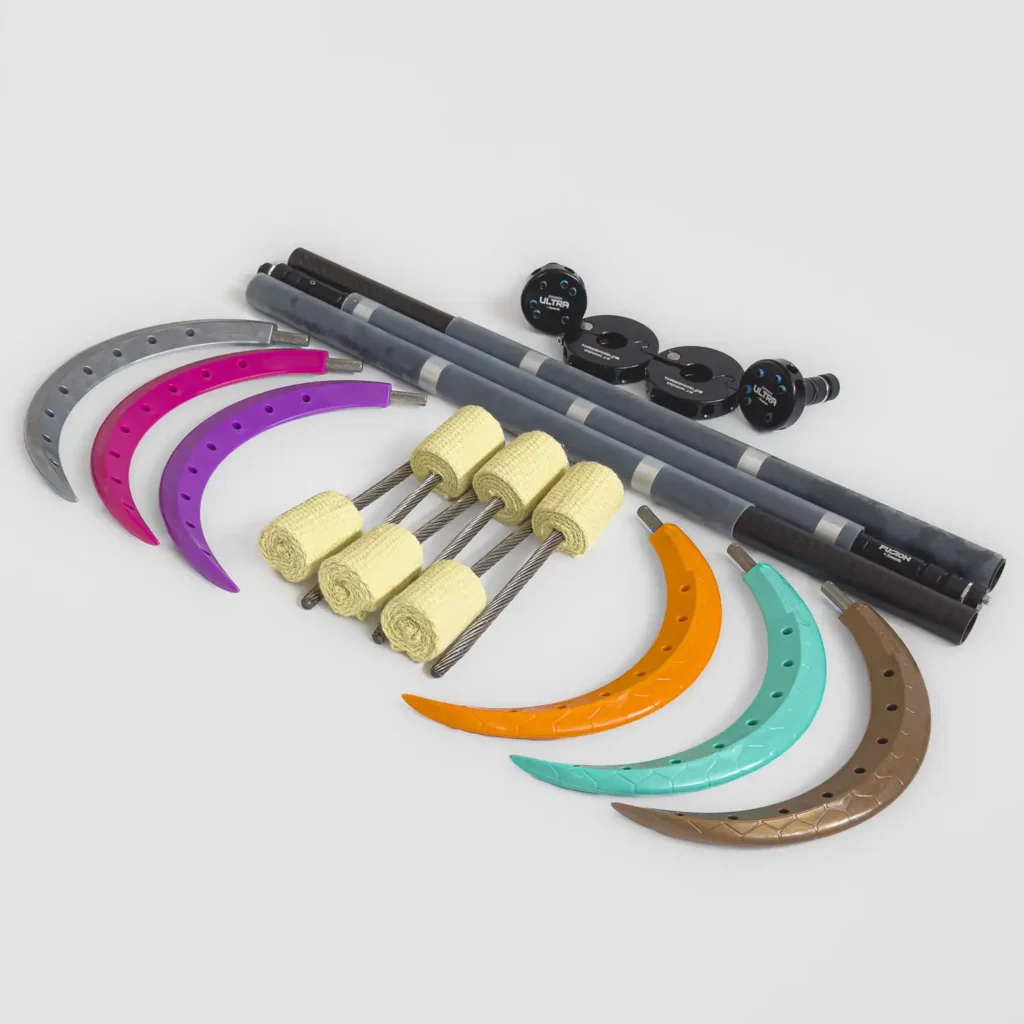
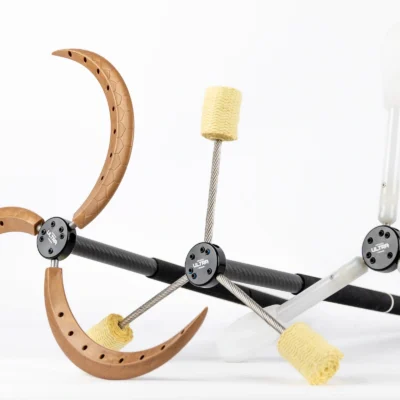
The following Threeworlds products use the Fusion pressure-fit connector system:
- Fusion Collapsible Staff Handle (contact/dragon and spin handle)
- Ultra Hubs for Dragon Staffs
- Fusion Double Adapters
- Fusion Quick Release End Caps (Lumi & V3)
Table of Contents:
- Step 1: Line It Up
- Step 2: Mind the Gap
- Step 3: Righty Tighty, Lefty Loosey
- Common Problems
- General Maintenance
- When Replacement Parts Might Be Necessary
- Conclusion
Step 1: Line It Up

Before inserting the connector into your staff, make sure everything is properly lined up.
You’ll also notice that part of the center bolt may be sticking out. Tighten it by turning it clockwise until it’s flush with the rest of the connector. Your connector should look like the image on the right before moving on to the next step.
Step 2: Mind the Gap

Insert the connector into the staff and push the tubing together until the two pieces are completely flush.
Do not tighten the connector until there is no gap between the sections of tubing.
This sometimes takes a little extra force, but it’s important. If the staff isn’t fully seated before tightening, you can create unnecessary stress on the connector and even introduce a slight wobble into the staff.
If your staff uses silicone grip, don’t use the grip as a reference since it can slide slightly. Focus on making sure the aluminum or carbon fiber tubing itself is fully seated.
Step 3: Righty Tighty, Lefty Loosey
Once everything is lined up and fully inserted, simply turn the connector clockwise (to the right) until it stops.
The biggest mistake people make is overtightening the connector.
Once it naturally stops turning, give the staff a tug to confirm everything feels secure. Do not continue forcing it tighter. Overtightening can damage the rubber bushes and make the connector much more difficult to remove later.
To disassemble the staff, turn the connector counter-clockwise (to the left) about five or six turns, then pull the sections apart.
Avoid loosening it excessively before removing it. Otherwise, too much of the center bolt will be exposed and you’ll have to spend extra time resetting it before your next assembly.
Common Problems
My Staff Wobbles
In most cases, this happens because the staff wasn’t fully pushed together before the connector was tightened.
Before tightening, make sure the tubing is fully seated and there is no gap between the two sections. Tightening the connector before the staff is completely flush can introduce unnecessary stress on the connector and may cause the staff to wobble.
The Connector Is Difficult to Insert or Remove
If it’s difficult to insert:
Double check that the connector is properly lined up as shown in Step 1. Also make sure the center bolt isn’t overtightened before insertion. If too much of the bolt is tightened beforehand, the rubber bushes will expand too early, making the connector much harder to insert into the tubing.
If it’s difficult to remove:
This is almost always caused by overtightening. The connector only needs to be tightened until it naturally stops turning and feels secure. If it’s been overtightened, you’ll likely need considerably more force in the opposite direction to loosen and remove it.
The Connectors Won’t Tighten
Fusion pressure-fit connectors rely on friction to work properly, so both the connector and the inside of the staff tubing should be clean and dry.
Dust, dirt, moisture, and oils can all reduce the friction needed for the system to lock properly. If your connectors won’t tighten or don’t feel secure, clean both the connector and the inside of the tubing before trying again.
General Maintenance
Keeping the connector clean is the easiest way to ensure it continues working properly.
Our favorite method is simply a rag and some rubbing alcohol (isopropyl alcohol). It cleans the connector, evaporates quickly, and doesn’t require any drying afterwards.
If rubbing alcohol isn’t available, a damp rag with a small amount of dish soap also works well. Just be sure to clean off any residual soap and thoroughly dry the parts before putting everything back together.
Even plain water and a towel are better than nothing if you’re cleaning your prop while traveling.
Pro Tip: We keep rubbing alcohol in our prop bags at all times. Besides pressure-fit connectors, it’s also great for cleaning staff grip, poi handles and leashes, rope dart tethers, and even removing soot from fire props before packing them for airline travel.
When Replacement Parts Might Be Necessary
If you take care of your prop and follow the steps above, you shouldn’t run into issues for years.
The vast majority of problems we’ve seen have been caused by assembly mistakes rather than worn hardware.
Eventually, after years of use, the rubber bushes or nylon washers may wear out and need replacement. Fortunately, replacing these parts is straightforward, and we carry all of the replacement components you’ll need (other than the metric Allen key).
Conclusion
After selling hundreds of Fusion pressure-fit products and troubleshooting them for customers and friends, we can confidently say that almost every issue we’ve seen comes down to assembly rather than the hardware itself.
Once you understand how the system works, it’s one of the quickest, strongest, and most convenient collapsible systems available.
Here’s the quick recap:
Step 1: Line It Up
Make sure the connector is properly aligned and the center bolt is flush.
Step 2: Mind the Gap
Push the tubing completely together before tightening. There should be no gap.
Step 3: Righty Tighty, Lefty Loosey
Tighten until the connector naturally stops turning and feels secure. To remove it, loosen it about five or six turns, then pull the sections apart.
Finally, remember that Fusion pressure-fit connectors work best when they’re kept clean, dry, and never overtightened. Following those three simple habits will keep your staff performing smoothly for years to come.