Skip to content

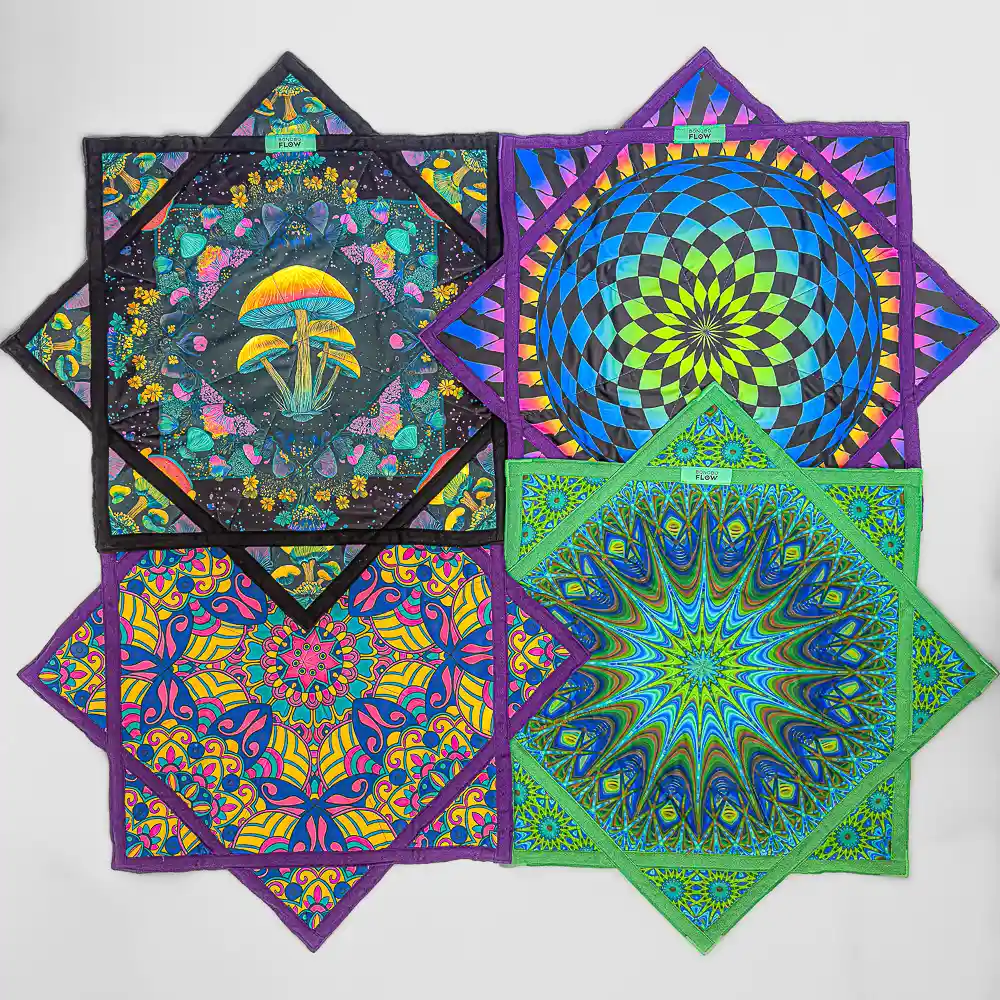
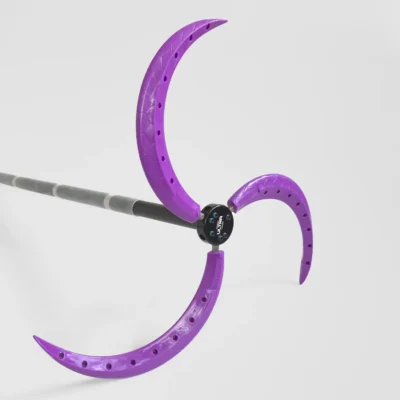
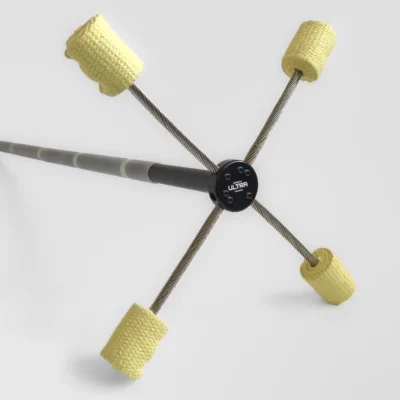
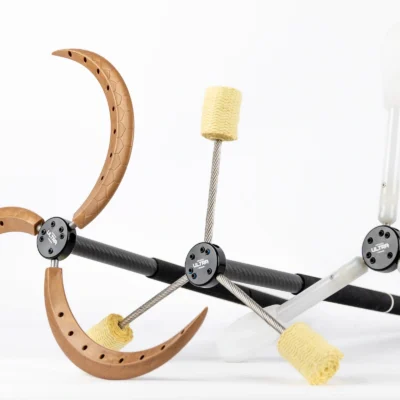
So you just picked up your first Flow Star. Awesome.
Now you’re probably wondering why everyone on Instagram makes it look effortless while yours spends more time on the ground than in the air.
Don’t worry. That’s completely normal.
Learning Flow Star is a lot like learning to juggle, ride a bike, or play an instrument. It feels awkward at first, then one day everything just starts clicking. Most people make the fastest progress by practicing just 5 to 10 minutes a day instead of cramming one long practice session every few weeks.
Let’s go over the fundamentals that will get you flowing as quickly as possible.
First, Understand What Makes a Flow Star Spin
The biggest misconception beginners have is thinking they need to throw the star high into the air.
You don’t.
The goal is simply to create enough rotation that the Flow Star stays open while it spins. Once you understand that, everything else starts to make more sense.
Think of it less like throwing a Frisbee and more like gently guiding the star through a smooth circular motion.
Keep Your Tosses Small
One of the easiest mistakes to make is using way too much force.
Start with short, controlled tosses just above your hand. The lower the toss, the easier it is to catch and repeat consistently.
As your confidence grows, you can gradually increase the height, but control should always come before style. Additionally, we wanna make sure the tosses keep the star flat and not angled which can make it fly away from you.
If you’re looking for a visual walkthrough, we’ve linked our favorite beginner Flow Star tutorial below. It covers the full progression from your first pizza toss all the way to your first finger spin. Once you’ve worked through those basics, come back here and keep reading to understand the concepts behind what you’re practicing. We believe learning horizontal plane first is easiest, as vertical plane spins require a lot more control.
Let Your Wrist Do the Work
Another common mistake is trying to spin the star using your entire arm. Instead, most of the rotation should come from your wrist. If the star folds too much, this means you need the rotational speed to be faster, not more arm involvement.
A relaxed wrist creates a smoother spin, keeps the star open, and requires much less effort. Your arm is there to guide the movement, not muscle it into the air.
If your shoulder is getting tired after a few minutes, you’re probably working harder than you need to.
Pick a Direction
Everyone naturally develops a preferred spinning direction. Some people rotate clockwise. Others prefer counterclockwise. Neither is right or wrong.
Most people find their dominant hand determines what feels most natural. As you become more comfortable, it’s worth practicing both directions so you develop balanced coordination.
Focus on the Catch
Believe it or not, catching is just as important as tossing.
Rather than grabbing the star out of the air, try receiving it softly and immediately flowing into the next spin.
A smooth catch keeps your rhythm going and makes every toss feel more connected. The goal isn’t to throw the star over and over. The goal is to keep it moving.
Practice With Both Hands
Once you’re comfortable with your dominant hand, start practicing with your non-dominant hand as well.
It’ll probably feel awkward.
That’s okay.
Building coordination early makes learning future tricks much easier and helps prevent one side from becoming dramatically stronger than the other.
Expect to Drop It
Everyone drops their Flow Star.
A lot.
That’s part of learning.
Don’t judge your progress by your best throw. Judge it by how many consecutive spins you can keep going before the star touches the ground.
Small improvements add up surprisingly quickly.
Common Beginner Mistakes
If your Flow Star isn’t behaving the way you expected, chances are it’s one of these:
- Throwing the star too high
- Using your entire arm instead of your wrist
- Not keeping the star flat
- Not enough rotational speed
- Trying advanced tricks before mastering the basics
Slow everything down and focus on consistency before speed.
How Long Does It Take to Learn?
Everyone learns at a different pace.
Some people start feeling comfortable after just a few days, while others take a month or two before everything begins to click.
Neither is unusual.
Consistent practice is far more important than natural talent. Spending just 5 to 10 minutes a day with your Flow Star will almost always produce better results than one long practice session each week.
And just like riding a bike, once your muscle memory develops, it sticks around.
Final Thoughts
The best flow star for beginners are the standard 26″ and 13oz flow stars we carry. Smaller stars require more control, and larger stars can be more tiring before you learn technique.
One of the best things about Flow Star is that there isn’t a “correct” style.
Every experienced spinner eventually develops their own rhythm, favorite tricks, and unique way of moving. The basics are there to give you a foundation, but after that, it’s all about experimenting and finding what feels natural.
So be patient with yourself, celebrate the small wins, and remember that every spinner you look up to started exactly where you are now.
Now go pick up your Flow Star and start spinning.