Skip to content


Fire eating is one of the most infamous disciplines in the flow arts. Despite the name, nobody is actually eating fire. Instead, performers extinguish a lit flame inside their mouth by blowing out, creating the illusion that the fire has been eaten. When performed correctly with proper training, it’s a highly technical art form that combines precision, timing, and strict safety practices. Modern fire eating has evolved far beyond simply extinguishing torches.
A Brief History of Fire Eating
Modern fire eating was originally pioneered by Kiwamu Miyakubo and later refined by renowned performers Shade Flamewater and Adam Lobo. Since then, countless artists have continued developing new techniques, pushing the art form in various creative directions.
Early fire eating primarily used simple torches. Tricks focused on different methods of extinguishing the flame or transferring it from one torch to another using the mouth or other techniques. One classic example is the jellyfish, where the torch is moved upward before being pulled downward rapidly, causing the flame to extinguish in a dramatic motion.
As the art evolved, hollow fire eating torches opened the door to an entirely new category of tricks. While performers could previously collect small amounts of fuel vapor by briefly inserting a lit wick into the mouth, hollow torches allow vapor to be drawn directly through the handle. This makes it possible to collect significantly more vapor, leading to a much wider variety of advanced techniques.
How Are Torches Made?
Most modern fire eating torches use a hollow aluminum or steel tube as the handle. The hollow construction allows performers to draw fuel vapor through the torch, making many modern vapor tricks possible.
This is one of the biggest innovations in modern fire eating and is why nearly every modern fire eating torch is built this way.
While carbon fiber has become increasingly popular for many flow props because it’s lightweight and extremely strong, it is not recommended for fire eating. Carbon fiber contains epoxy resins that might create fumes when heated, making metal torches the preferred choice.
The wick material matters just as much. We strongly recommend using 100% pure Kevlar wick for fire eating. Years ago, fiberglass-blended wick was commonly used and generally didn’t receive many complaints. However, now that pure wicking is readily available (especially in the US), we believe it’s the better option. Since the wick repeatedly comes into contact with your tongue and lips, choosing pure Kevlar simply makes sense now that it’s widely available.
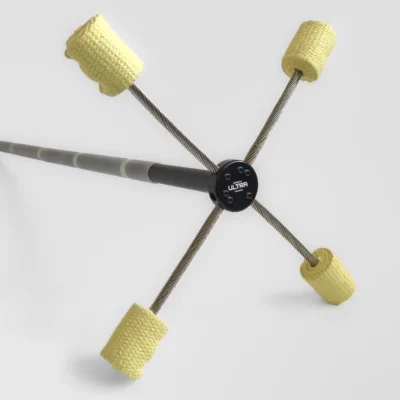
Most fire eating torches use either 1.5-inch or 2-inch sushi roll wicks. This size provides a flame that’s large enough to look impressive and hold an appropriate amount of fuel while still being small enough to fit comfortably into most performers’ mouths.
A properly constructed sushi roll wick has its center connected directly to the hollow tubing, while the outside is sewn completely closed. This prevents exposed metal from contacting your tongue during extinguishes, making the torch both safer and more comfortable to use.

Is Fire Eating Dangerous?
This is probably the most common question people ask.
When performed by a properly trained practitioner using appropriate equipment and good safety practices, fire eating is generally considered much safer than most people assume. Many everyday activities, such as driving, statistically carry a much higher risk.
That doesn’t mean it’s safe to learn on your own.
Unlike many other flow arts, the flame is only inches from your face and repeatedly comes into contact with your lips and tongue. Mistakes can happen quickly, which is why proper technique is so important.
Learn From a Qualified Instructor
We strongly recommend not teaching yourself fire eating.
Instead, take a fire eating safety class from a respected instructor who can watch your technique, correct mistakes, and teach safe habits from the beginning.
There are many variables that beginners often don’t recognize, including:
- Over-fueled or under-fueled torches
- Torches that haven’t been spun off enough before use
- At what point in the burn different tricks are best to execute
Each of these factors changes how the torch behaves and when certain techniques should be performed. An experienced instructor can help you recognize these situations, correct mistakes early, and develop safe habits from the very beginning.
You should also never practice alone. Always have a dedicated fire safety present who understands fire eating and knows how to respond if something goes wrong.
Fire Eating Safety
Proper technique and good safety habits are essential in fire eating.
One of the biggest safety concerns in modern fire eating, especially when performing vapor tricks, is never inhaling fuel vapor into your lungs. Fuel vapor belongs only in your mouth. Accidentally inhaling it can lead to serious health problems.
Many experienced practitioners take a full breath before collecting vapor, leaving their lungs full of air. While this can help reduce the chance of accidentally inhaling fuel vapor, it’s a risk management technique rather than a safety guarantee and should only be learned under qualified instruction.
Another common habit is licking the lips before extinguishing a torch or performing tricks like a candle. This helps protect the lips from heat and can reduce the chance of minor burns during repeated extinguishes.
Regardless of the trick you’re practicing, never practice alone. Always have a dedicated fire safety present who is familiar with fire eating and knows how to respond if something goes wrong.
These techniques help reduce risk, but they are not substitutes for learning from a qualified instructor.
Taking Care of Your Mouth
After a long practice session, it’s common for your tongue to feel similar to how it would after drinking a cup of coffee that’s just a little too hot. The sensation is usually temporary, but good aftercare helps.
We recommend:
- Rinsing your mouth with mouthwash or brushing your teeth and tongue after practice.
- Staying well hydrated before and after each session to help maintain saliva production.
- Using chapstick to keep lips hydrated.
Why People Love Fire Eating
While the safety aspect deserves serious attention, fire eating is also incredibly rewarding to learn. There are countless techniques ranging from classic extinguishes to candles, cauldrons, jellyfishes, vapor tricks, and creative combinations that can produce unforgettable performances.
Like every fire art, the best results come from respecting the craft, learning from experienced teachers, and building good habits from day one.
If you’re interested in adding fire eating to your performance repertoire, start with proper instruction and make safety your highest priority. Fire eating rewards patience more than bravery. Respect the craft, learn from experienced instructors, and let your skills develop one technique at a time.